Common Skin Lesions And Cancers Addressed:
- Skin tags
- Moles
- Melnoma
- Lipoma
- Keloids
- Basal cell carcinoma
- Cysts
- Astintic Keratosis
- Squamous cell carcinoma
- Post-Mohs reconstruction
Introduction
Skin cancers and skin lesions are among the skin disorders that not only pose a danger to health but are also unsightly. If you are struggling with any such skin problem, Dr. Haque has extensive experience in the removal of skin lesions and the reconstruction of skin affected by cancer or lesions. This includes post-MOHS reconstruction.
Real Patient Results
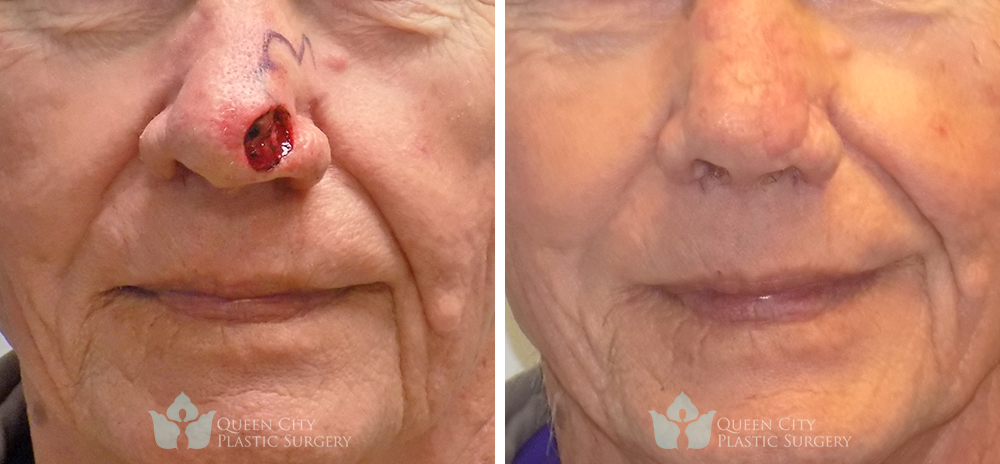
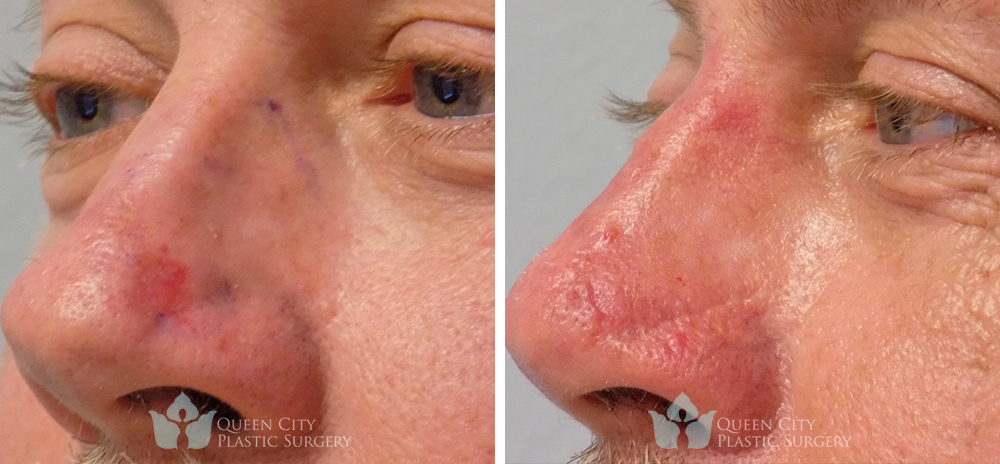
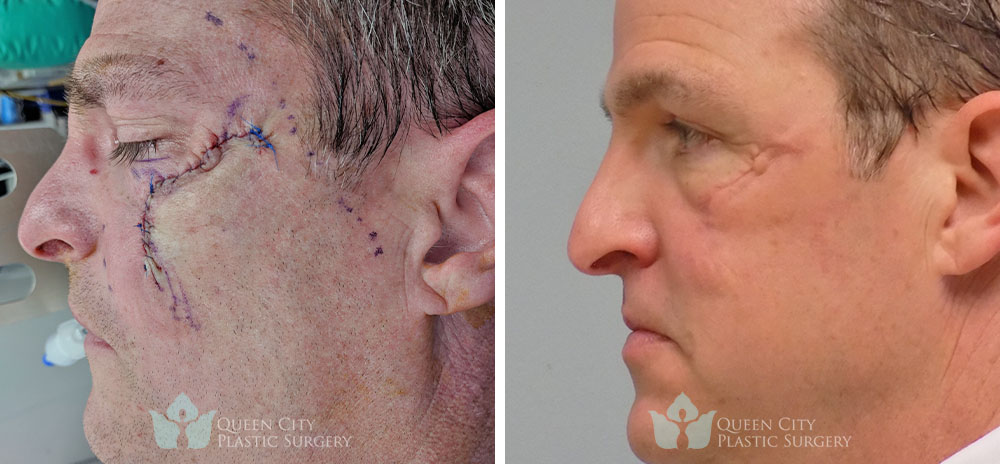
Skin cancer surgery is a procedure designed to remove cancerous or precancerous growths on the skin while preserving as much healthy tissue as possible. Depending on the diagnosis, this may involve excising the lesion with a margin of normal skin or using methods such as Mohs micrographic surgery, which carefully removes layers of tissue while examining them under a microscope to ensure complete removal. The goal of skin cancer surgery is twofold: to completely eliminate the cancer while restoring natural appearance and function to the affected area.
Candidates for skin cancer surgery include anyone diagnosed with skin cancer, such as basal cell carcinoma, squamous cell carcinoma, or melanoma, as well as individuals with suspicious or precancerous lesions like actinic keratosis. Patients with benign but bothersome lesions, such as cysts, skin tags, or lipomas, may also be candidates if the lesion is irritating, painful, or cosmetically distressing. Ideal candidates in or around Charlotte are those in overall good health, with no uncontrolled medical conditions that would complicate healing. Since early detection and treatment are key, patients who notice changes in a mole or lesion should seek evaluation as soon as possible.
The most significant benefit of skin cancer surgery is the removal of dangerous cancerous cells before they can spread or cause deeper complications. Beyond health, surgery often improves appearance by removing unsightly or bothersome lesions that may be raised, pigmented, or irregular. For those undergoing post-Mohs reconstruction, the benefit is the restoration of skin continuity and symmetry, especially in highly visible areas such as the face. By addressing both the functional and cosmetic aspects, patients can feel reassured that they are not only protecting their health but also preserving their confidence and quality of life.
Your Skin Cancer Surgery Journey with Enam Haque, MD, FACS
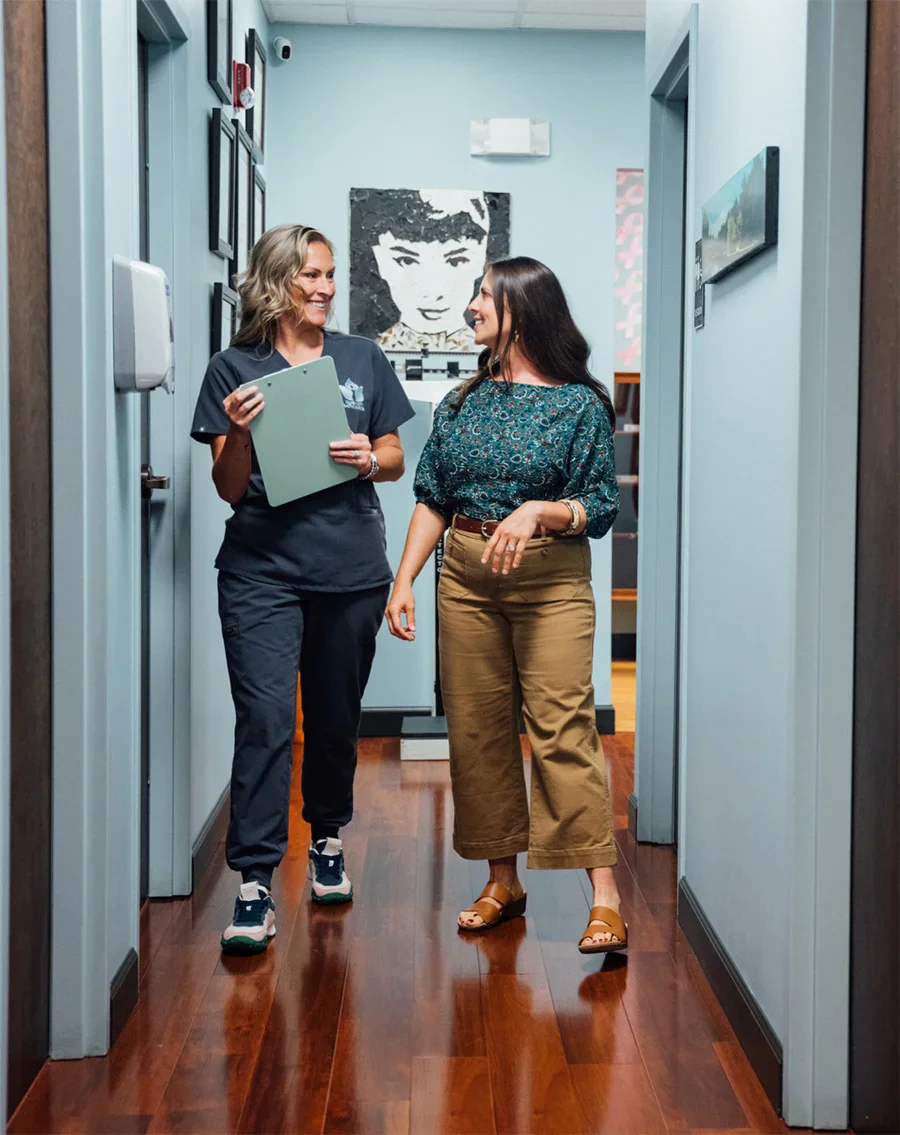
The first, immediate step is to schedule a consultation with Dr. Haque in Charlotte, NC. During your visit, he will examine the lesion, review your medical history, and, if necessary, recommend a biopsy to confirm whether it is cancerous. Once the diagnosis is established, he will discuss the best treatment plan, whether it involves direct excision, Mohs surgery with reconstruction, or another method. This is also the time to ask questions, review risks and benefits, and establish realistic expectations for both health outcomes and appearance.
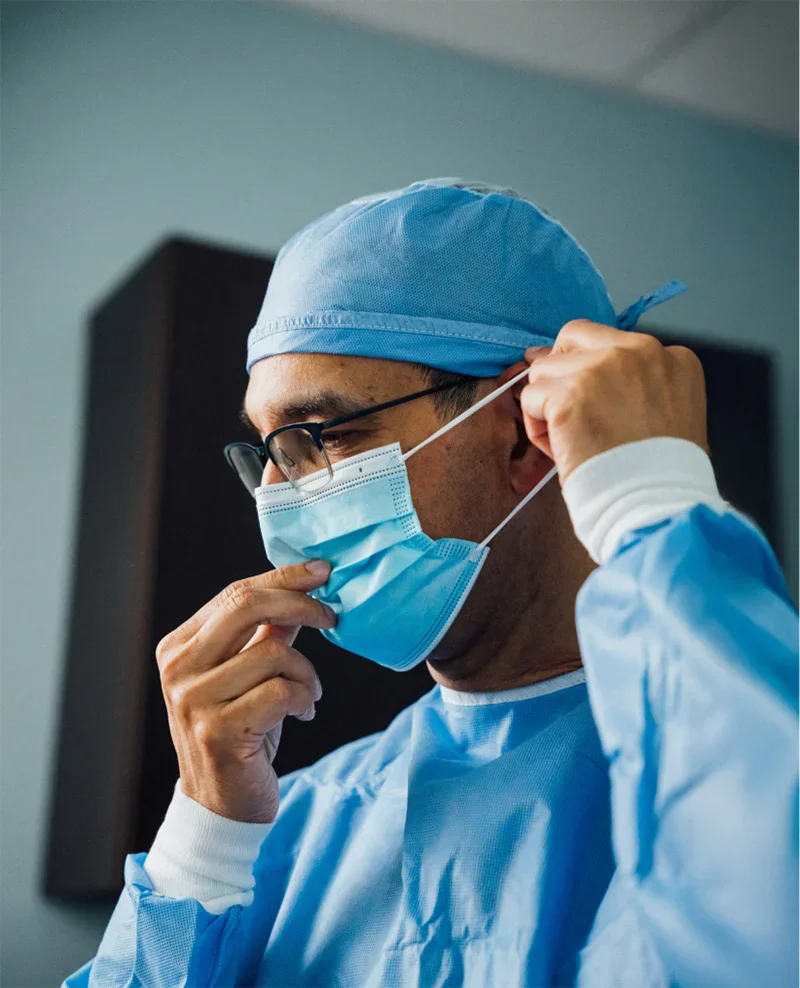
On the day of surgery, the process will depend on the type of procedure being performed. Most lesion excisions and skin cancer surgeries are done under local anesthesia, which keeps you comfortable while allowing a relatively quick recovery. For larger or more complex lesions, sedation or general anesthesia may be used. The surgery itself in Charlotte may involve carefully removing the lesion, suturing the wound, and, in some cases, reconstructing the area with methods such as skin flaps or grafts. If you undergo Mohs surgery, tissue will be removed layer by layer and examined in real time to ensure all cancerous cells are removed before closure.
Your Guide to Post-Skin Cancer Surgery Care
Recovery following skin cancer surgery varies depending on the size and location of the lesion. Minor excisions may heal within one to two weeks, while more extensive procedures requiring reconstruction may take longer. Swelling, redness, and mild discomfort are normal in the early stages and can be managed with medication and proper wound care. As healing progresses, sutures are typically removed within 5–14 days. Long-term results continue to improve over several months, with scars gradually softening and fading.
The cost of a Skin Cancer Surgery in Charlotte depends on several factors, including the size and location of the lesion, the type of cancer being treated, and whether reconstruction is required. Simple lesion excisions are less costly than complex surgeries or Mohs procedures with reconstruction. In most cases, medical insurance typically covers skin cancer surgery because it is considered a medically necessary treatment, although coverage details may vary. At Queen City Plastic Surgery, the team can provide an individualized cost estimate and assist with insurance and financing options during your consultation.
Dr. Enam Haque combines extensive surgical training with a compassionate, patient-centered approach. As a board-certified plastic surgeon and Fellow of the American College of Surgeons (FACS), patients benefit not only from his medical expertise in removing cancerous or benign lesions but also from his skill in reconstructive techniques that restore appearance and function. At Queen City Plastic Surgery in Charlotte, NC, you will find advanced treatment options, personalized care, and a commitment to helping patients feel reassured, comfortable, and confident in their outcomes.
Contact us or call us at 704-751-4595 to set up an appointment and get more information. We also offer various Financing options to meet your needs.